
Game design insights Unpacking the psychology of gambling mechanics
The Psychological Appeal of Gambling
The world of gambling is heavily rooted in psychological principles that exploit human behavior. One of the core attractions is the thrill of uncertainty, where players engage in a dance with chance. This unpredictability creates a rush that many find exhilarating, fueling the desire to play more. Designers utilize this natural inclination toward risk-taking to enhance engagement, often drawing parallels to internet casinos when designing their games.

Moreover, the concept of variable rewards plays a crucial role in maintaining interest. Unlike fixed rewards, variable rewards create suspense and anticipation, which are potent motivators. This unpredictability keeps players returning, as they seek that elusive big win, often leading to increased playtime and deeper immersion in the game environment.
Gambling Mechanics in Game Design
Gambling mechanics are carefully integrated into game design to evoke specific player responses. Techniques such as “near misses,” where players come close to winning, can elicit strong emotional reactions. This feeling of being on the cusp of success can motivate players to continue playing, even after several losses. Game designers leverage these mechanics to create cycles of hope and frustration that keep players engaged.
Additionally, many games incorporate aspects of social interaction, which can enhance the psychological appeal. Leaderboards and multiplayer experiences foster a competitive environment that encourages players to gamble against friends or rivals. This social validation adds another layer of engagement, as players are not just competing against a game but also against one another, driving them to invest more time and resources into the experience.
The Role of Visual and Auditory Stimuli
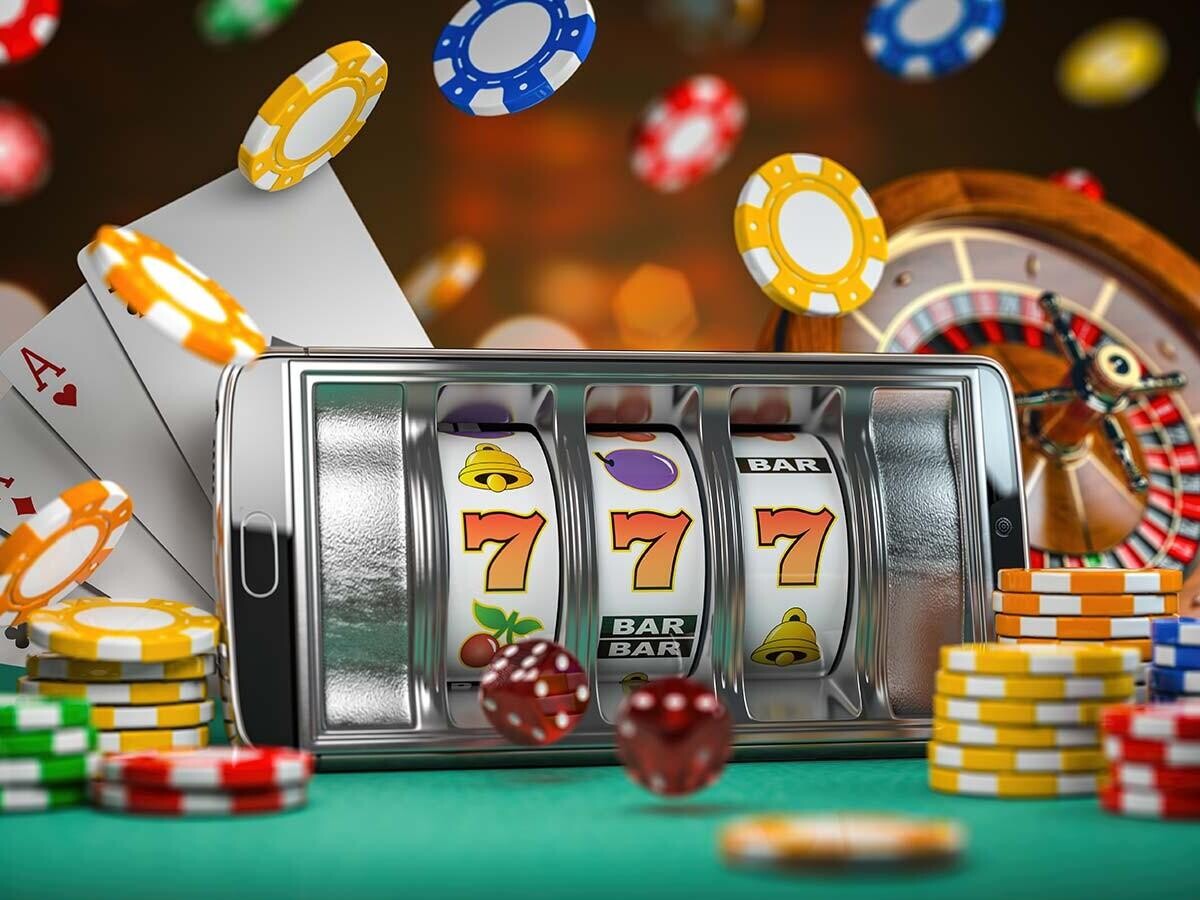
Visual and auditory elements in gambling games are meticulously crafted to stimulate players’ senses. Bright colors, enticing graphics, and dynamic animations create a visually stimulating environment that captures attention. This immersive experience can heighten emotional responses and reinforce the desire to continue playing, as players become enveloped in the game’s atmosphere.
Sound effects also play a pivotal role in enhancing the gaming experience. The use of rewarding sounds, like chimes or bells, can positively reinforce player behavior, making them feel accomplished for their efforts. Together, these sensory elements create a compelling feedback loop that keeps players engaged, often blurring the lines between reality and the virtual world.
Ethical Considerations in Gambling Game Design
As the psychological mechanics of gambling are understood more deeply, ethical considerations become increasingly important. Game designers face the challenge of balancing engagement with responsible gaming practices. With the potential for addiction, it is crucial for designers to implement safeguards that encourage healthy play patterns and minimize harmful behaviors.
Educating players about the risks associated with gambling and providing tools for self-regulation can contribute to more sustainable gaming experiences. This responsibility not only fosters a healthier gaming community but also enhances the reputation of game developers, as they demonstrate a commitment to player welfare alongside profit.
Conclusion: Understanding Gambling Mechanics and Their Impact
Understanding the psychology behind gambling mechanics allows developers to create more engaging and responsible gaming experiences. By unpacking the complex interplay of risk, reward, and emotional response, designers can better cater to players’ desires while also addressing the ethical implications of their creations.
On platforms dedicated to this field, users can find valuable resources and insights into judicial selections, which parallels the need for transparency in game design. As the gaming landscape evolves, fostering informed choices among players can lead to more enriching interactions within the gambling realm, ensuring a balance between enjoyment and responsibility.



Leave A Comment